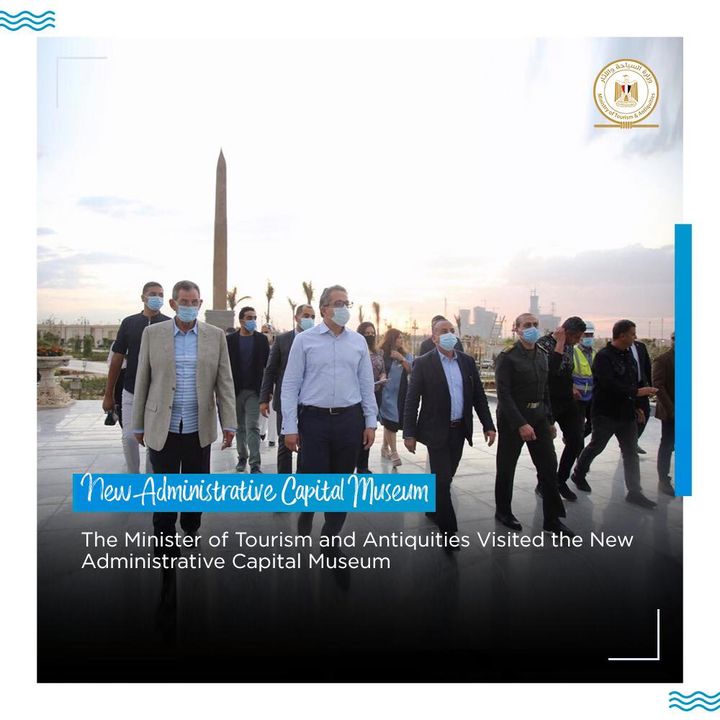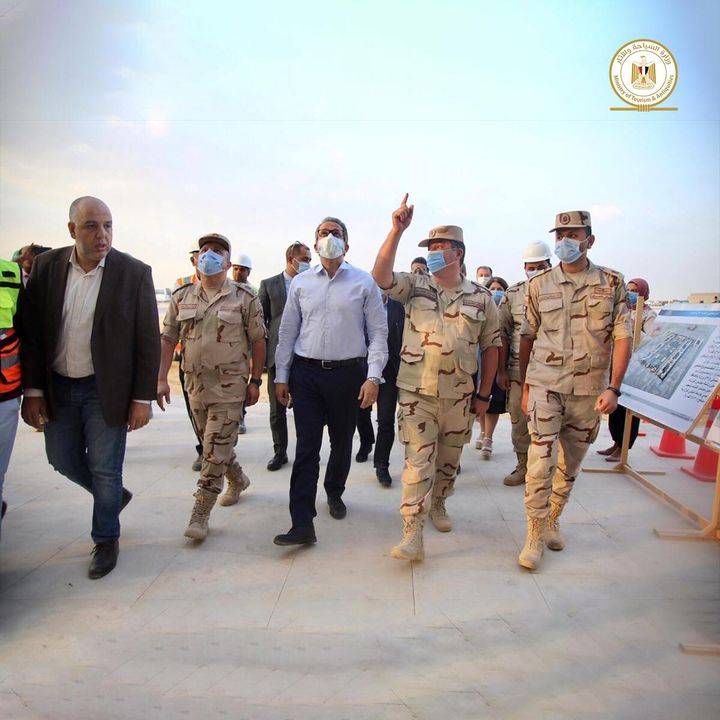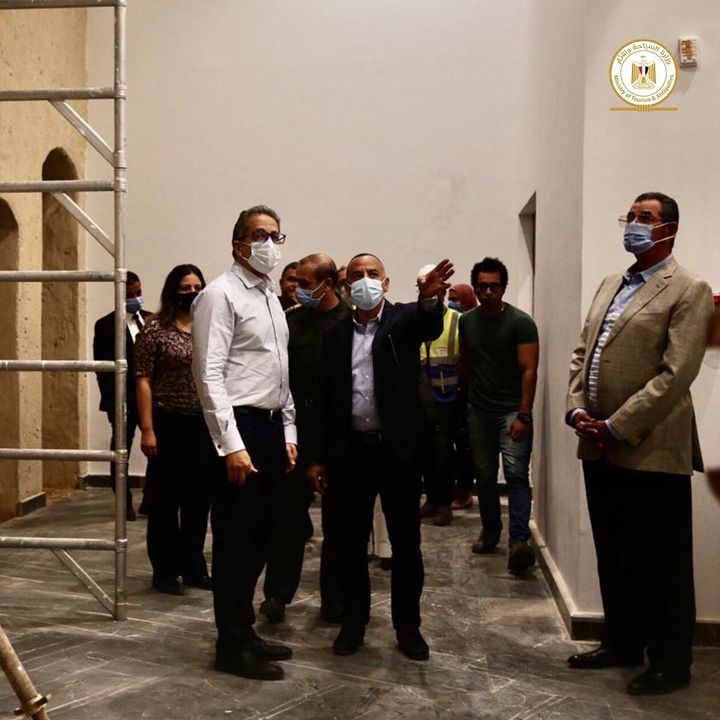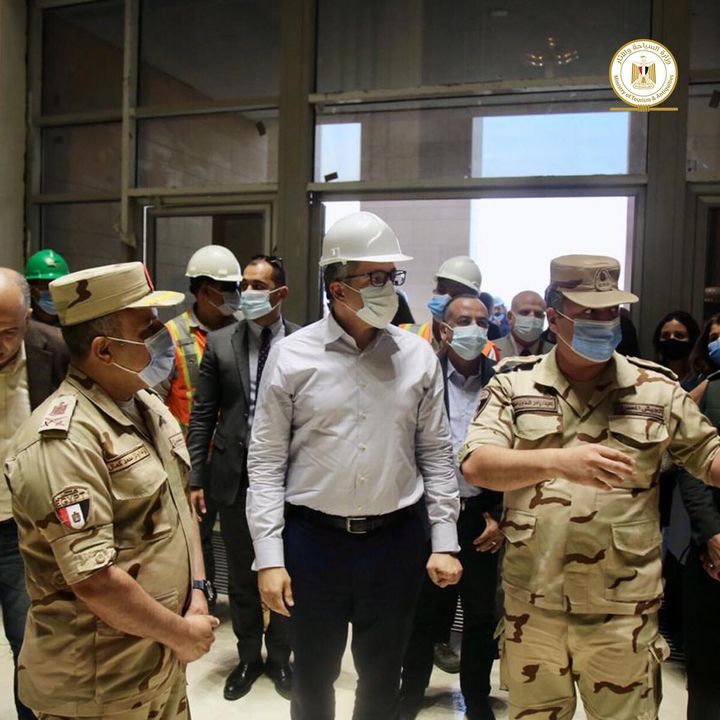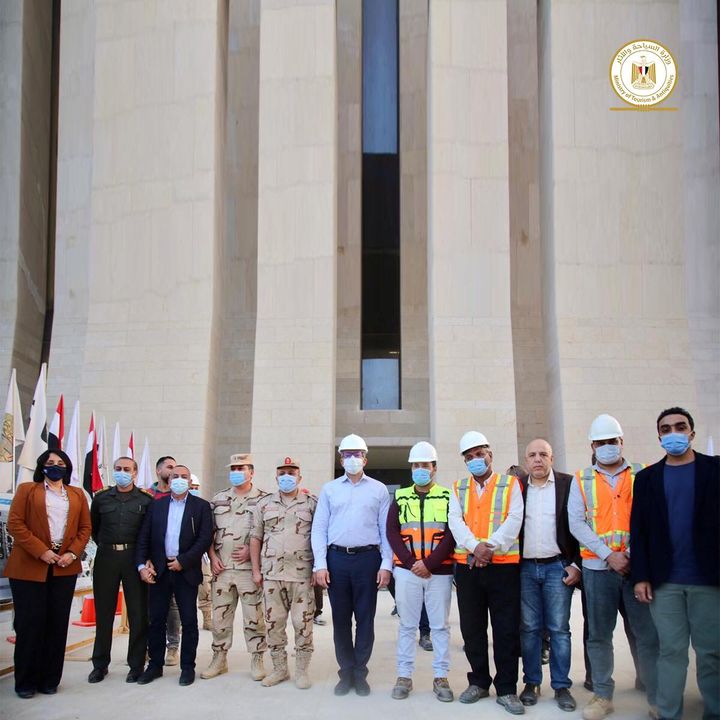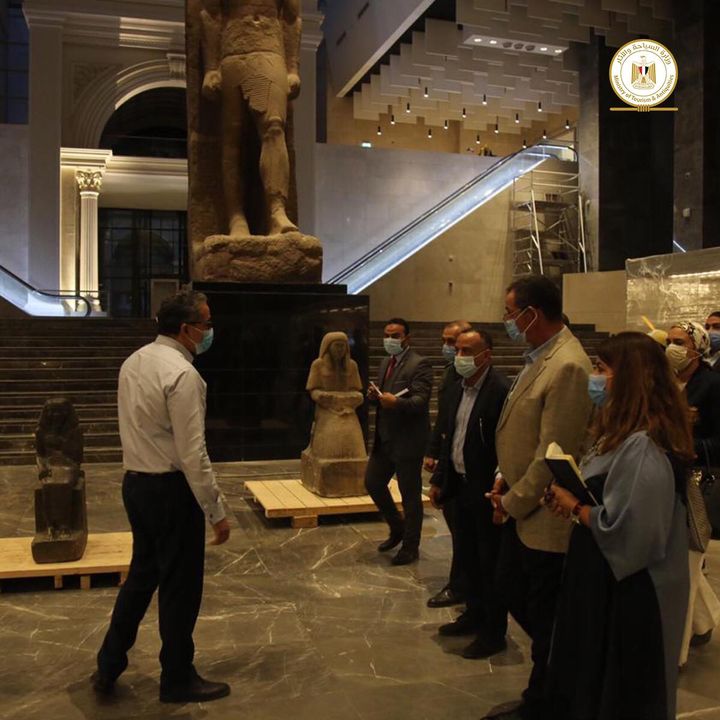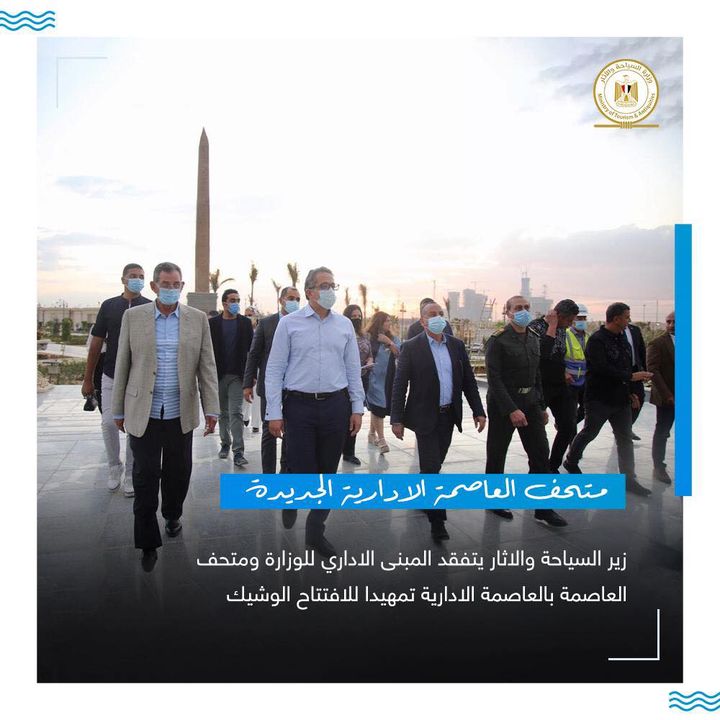
تفقد الدكتور خالد العناني وزير السياحة والآثار، المبنى الاداري للوزارة بحي الوزارات ومتحف العاصمة بمدينة الثقافة والفنون بالعاصمة الإدارية الجديدة، وذلك لمتابعة آخر مستجدات الأعمال بهما.
رافقه خلال الجولة اللواء محمد أمين مساعد السيد رئيس الجمهورية للشئون المالية، والدكتور مصطفى وزيري الأمين العام للمجلس الأعلى للآثار، ود. علي عمر رئيس اللجنة العليا لسيناريو العرض المتحفي والدكتور محمود مبروك مستشار الوزير للعرض المتحفي وأعضاء اللجنة، والاستاذ مؤمن عثمان رئيس قطاع المتاحف، وقيادات من الوزارة.
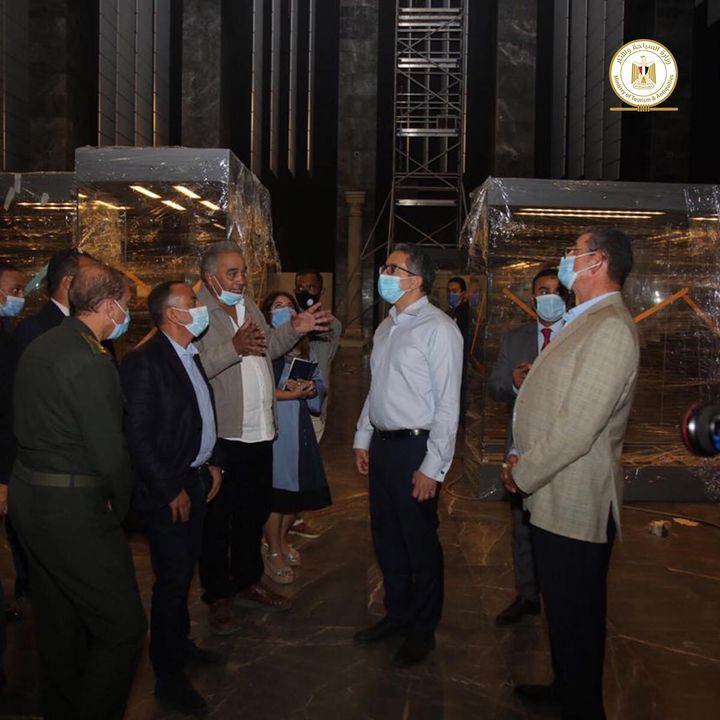
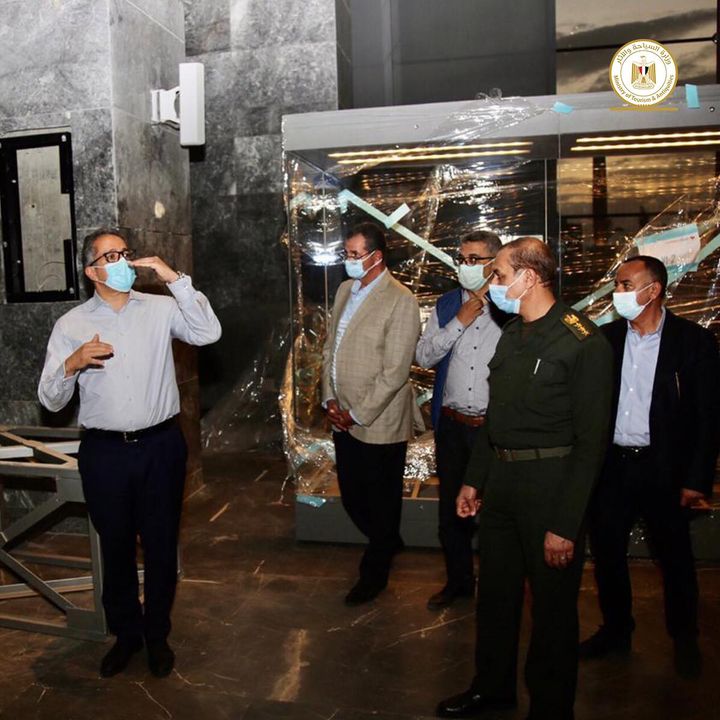
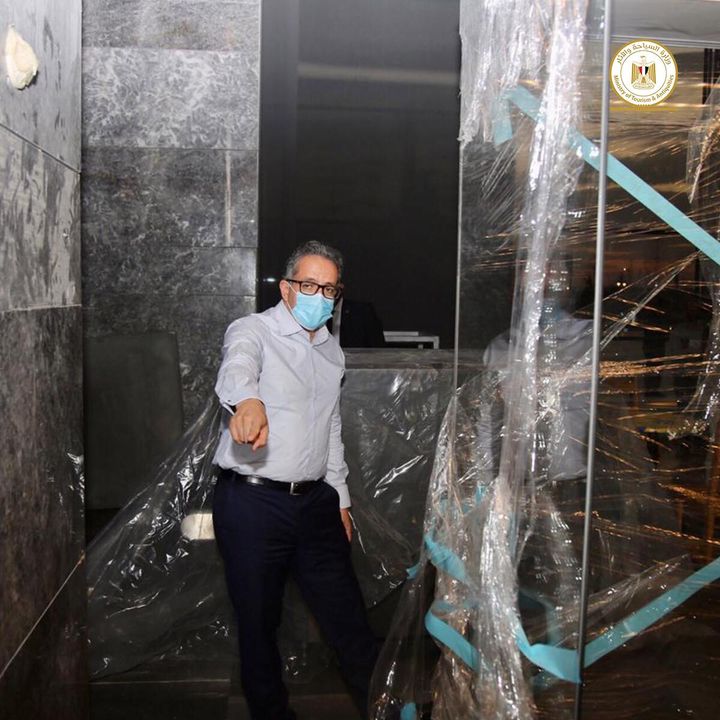
تضمنت الزيارة الوقوف على سير الاعمال بالمبنى الإداري للوزارة وجولة داخل المتحف، وما تم من تجهيزات لعرض القطع الاثرية وفقا لسيناريو العرض المتحفي المخصص لها، حيث تم تركيب فتارين العرض وتعديل نظام الاضاءة بما يعمل علي ابراز الاجزاء الجمالية بالقطع الاثرية المعروضة.
وخلال الجولة وجه الدكتور خالد العناني ببعض التعديلات لسيناريو العرض، وبإضافة المزيد من القطع الأثرية من مختلف العصور المصرية القديمة والقبطية والإسلامية لإثراء العرض المتحفي الذي يروي تاريخ العواصم المصرية بداية من منف ثم طيبة والمنيا مرورًا بالاسكندرية خلال العصر اليوناني والروماني وصولاً إلى مدينة الفسطاط والقاهرة الفاطمية والقاهرة الخديوية، بالشكل الذي يساهم في اعطاء صورة متكاملة لشكل وتطور العواصم المصرية عبر العصور التاريخية المختلفة.
واكد وزير السياحة والآثار على ضرورة الالتزام بالجدول الزمني المقرر مسبقا لانتهاء الأعمال استعدادا للافتتاح الوشيك للمتحف.
ويذكر أن المتحف يروى تاريخ العواصم المصرية، حيث يتكون من قاعة رئيسية يُعرض فيها آثار لعدد من عواصم مصر القديمة والحديثة يبلغ عددها 9 عواصم وهم كالتالي: أولا من على يمين الزائر عدد 4عواصم وهم منف، طيبة، تل العمارنة، الإسكندرية، ثانيا من على يسار الزائر عدد 4 عواصم وهم الفسطاط، القاهرة الفاطمية، مصر الحديثة، القاهرة الخديوية، ثالثاً المستوى الثانى وهو خلف تمثال الملك رمسيس الثانى ويخص العاصمة الإدارية ويُعرض فى هذه القاعة مجموعة من المقتنيات المختلفة التى تمثل أنماط الحياة فى كل حقبة تاريخية خاصة بكل عاصمة على حدة مثل أدوات الزينة، ادوات الحرب والقتال، ونظام الحكم والمكاتبات المختلفة.
اما القسم الثانى من المتحف فهو عبارة عن جناح يمثل العالم الاخر عند المصرى القديم، ويتكون هذا الجزء من مقبرة توتو بالإضافة إلى قاعة مومياوات وتوابيت وفتارين تحتوى على الاوانى الكانوبية ومجموعة من الأبواب الوهمية ورؤوس بديلة تحاكى الطقوس الدينية فى مصر القديمة.
– The Minister of Tourism and Antiquities visits the New Administrative Capital Museum
Dr. Khaled El Enany, Minister of Tourism and Antiquities, visited the ministry’s headquarters in the ministries district and the Administrative Capital Museum in the City of Culture and Arts in the New Administrative Capital, to follow up on the progressive of work there.
He was accompanied by Major General Mohamed Amin, Assistant to the President for Financial Affairs, Dr. Mustafa Waziry, Secretary General of the Supreme Council of Antiquities, and Dr. Ali Omar, Chairman of the Supreme Committee of the Museum Presentation Scenario, Dr. Mahmoud Mabrouk, Adviser to the Minister for Museum Presentation and members of the Committee, Professor Moamen Othman, Head of the Museums Sector, and officials from the Ministry.
The Minister visited the museum,, reviewed the its display scenario, saw the installed display cases of the artifacts and the lighting system that was modified to highlight the aesthetic of the artifacts.
During the visit, Dr. Khaled El Enany made some adjustments to the display scenario, adding more artifacts from the ancient Egyptian, Coptic and Islamic eras to enrich the museum display that narrates the history of Egyptian capitals starting from Memphis, Thebes and Minya, passing through Alexandria during the Greco-Roman era, to the city of Fustat in Fatimid Cairo and the Khedive’s Cairo, in a way that gives a full picture of the development of Egyptian capitals through different historical eras.
The Minister of Tourism and Antiquities stressed the need to adhere to the schedule set for the completion and opening of the museum opening.
The New Administrative Capital Museum tells the history of the Egyptian capitals, as it consists of a main hall in which the relics of a number of ancient and modern Egyptian capitals are displayed. The museum portrays 9 capitals, which are Memphis, Thebes, Tell el-Amarna, Alexandria, then Fustat, Fatimid Cairo, Modern Egypt, Khedivial Cairo. In another hall, there is a group of different collections that represent the patterns of life in each historical period for each capital separately, such as Toiletries, tools of war and fighting, the ruling system and various correspondences.
As for the second section of the museum, it showcases the after life in ancient Egypt. It contains the tomb of Tutu in addition to the hall of mummies, coffins and display cases with canopic jars and a set of imaginary doors and alternate heads that simulate religious rituals in ancient Egypt.
Ministry of Tourism and Antiquities وزارة السياحة والآثار